I am currently a third-year student at the European School of Osteopathy in Maidstone. I should complete my qualifications in 2025.
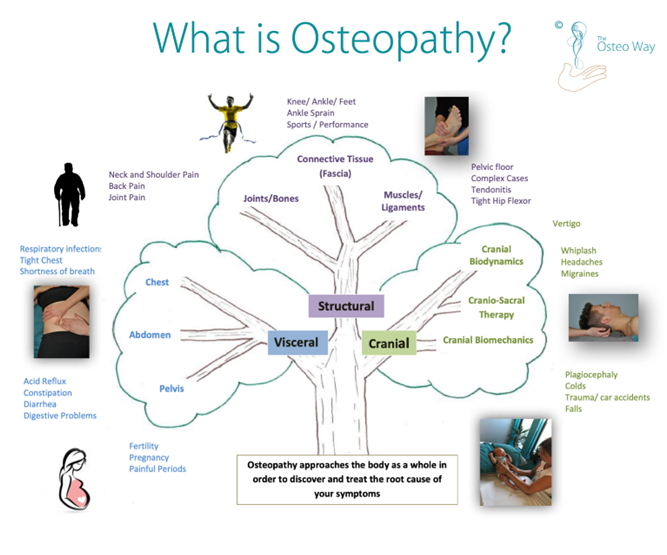
Osteopathy is a system of diagnosis and treatment which works with the structure and function of the body, to treat a wide range of musculoskeletal conditions. Maintenance of optimal mechanical function is essential to health. Problems in the body structure for example a restricted joint, slipped disc, tight muscle, or a ligament strain can affect any aspect of health, as function is disrupted. Osteopaths, using gentle hands-on techniques, aim to return the structure and function of the body to as near a state of balance as possible to restore the whole person to a state of good health.
What Does Osteopathy Treat?
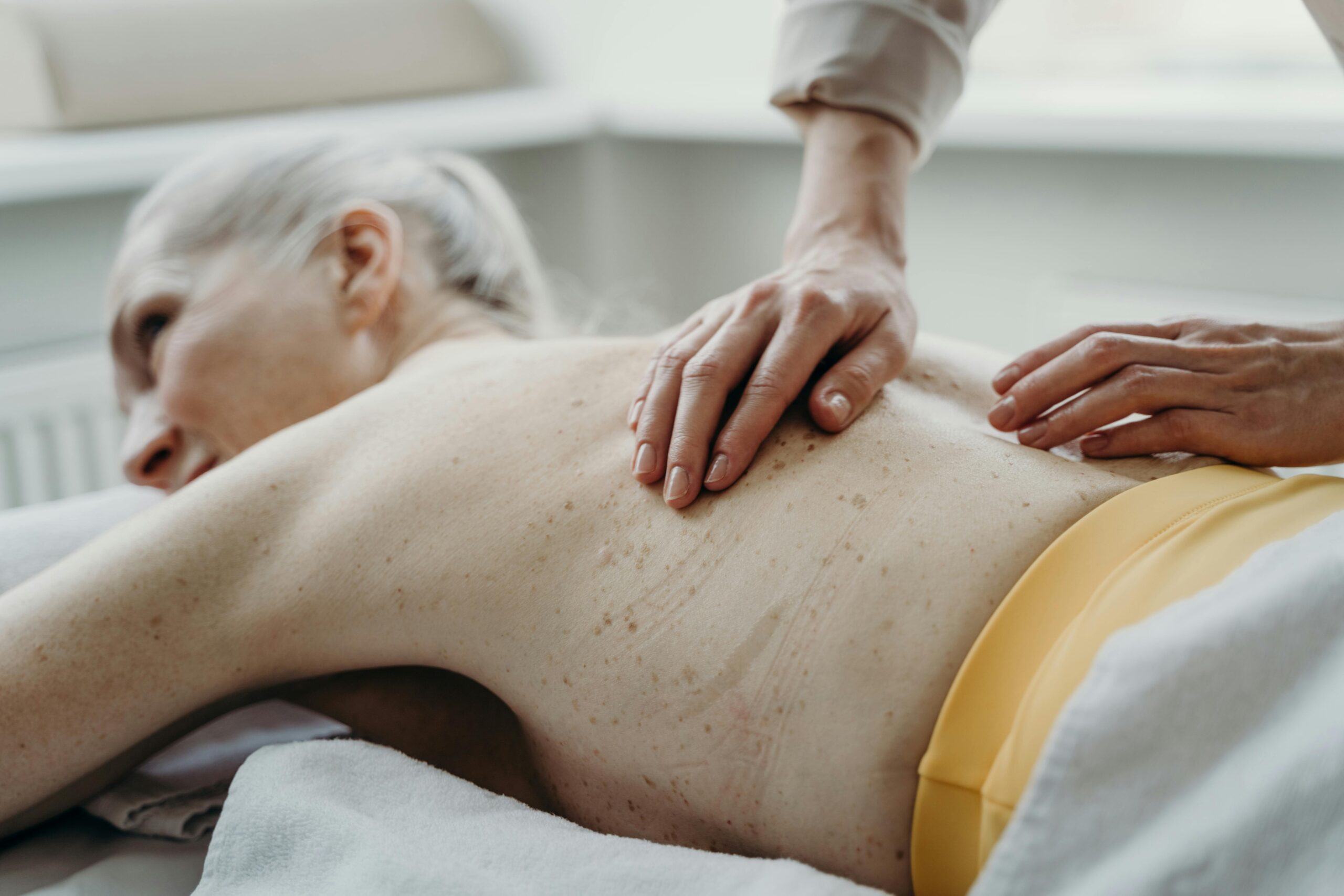
Osteopathy can be used to treat a range of common complaints with a wide range of techniques available. The aim of Osteopathic treatment is to improve the function of the nerves, muscles, ligaments and joints. Some of the most common treatments include manipulation of joints to relax muscle spasm and pain, soft tissue massage to improve muscular blood flow, specific releasing techniques where the body is taken to a point of movement that allows the tension to subside and cranial osteopathy to allow fluid movement in your body tissues, to aid blood flow and function or exercises to strengthen the muscles. Osteopaths are trained to use their hands through a highly developed sense of touch for both diagnosis and treatment.
What About Side Effects?
The aim of the treatment is to restore normal function which should have the effect of reducing symptoms. All medical interventions do unfortunately however carry a risk and Osteopathy is no different. Fortunately, the side effects related to Osteopathy are usually very mild. Tiredness, soreness, or pain are the most common. Not everybody will have a reaction and typically this lasts less than 48 hours. The reaction often diminishes as the treatment progresses.
Are Osteopaths Regulated by Law?
Osteopathy has been regulated in law since 8th May 2000, therefore it is illegal to call yourself an Osteopath unless registered by the General Osteopathic Council (Please visit the General Osteopathic Council website for more information)) (www.osteopathy.org.uk). The regulation is to protect the patients under our care.
Andrew Taylor Still’s quote
“To find health should be the object of the doctor. Anyone can find disease.”
“Life is beyond all human understanding; no philosophy or science can explain it,” encapsulates the inherent complexity and mystery that defines human existence. Still suggests that life is an enigma that surpasses all human understanding, defying simple explanations. Whether it be the intricacies of human relationships, the wonders of the natural world, or the complexities of our own minds, life remains a profound and impenetrable mystery that continuously invites contemplation and awe. Perhaps by acknowledging the limitations of our knowledge, we can foster a deeper appreciation for the wonder and beauty that life presents us with.
“Osteopathy is not a system, it is a truth,”
encapsulates the essence of Osteopathy as a holistic medical practice. Still believed that Osteopathy is not just a mere theory or method but a deep-rooted, undeniable truth about the human body and its healing capabilities. Osteopathy focuses on the belief that the body is an interconnected system, and any ailments or imbalances can be addressed by restoring the body’s natural equilibrium. This quote emphasizes that Osteopathy is not limited to a specific set of techniques or principles but rather represents a profound understanding of the body’s innate ability to heal itself when given the right conditions.
“The body is a unit. A harmonious whole made up of mutually dependent parts”.
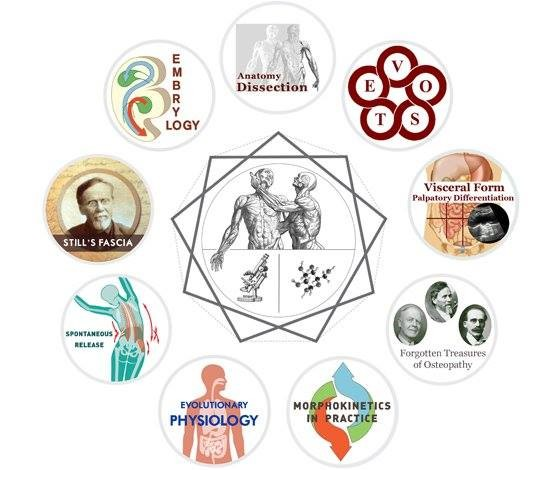
In his insightful quote, Andrew Taylor Still emphasizes the unity and interconnection of the human body. He highlights that our bodies are not simply a collection of individual parts, but rather a cohesive and integrated whole. Each component of the body relies on and impacts the others, forming a harmonious system where the overall well-being is dependent on the functioning of each part. From our muscles and bones to our organs and tissues, every element serves a distinct purpose in maintaining our health and vitality. Still’s words remind us to appreciate the delicate balance and interdependence that exists within our bodies, which reinforces the need for holistic care and a comprehensive understanding of human anatomy.
“The role of the osteopath is to help the body help itself”
Andrew Taylor Still’s quote encapsulates the fundamental principle of osteopathy. As an osteopath, the main objective is not to simply treat the symptoms, but rather to facilitate the body’s inherent ability to heal and restore balance. Osteopaths believe that the body has a remarkable capacity to heal itself when provided with the right conditions. By identifying and addressing the root causes of an individual’s pain or dysfunction, an osteopath supports the body in navigating its own healing process. This approach emphasizes the importance of a holistic understanding of the body and its interconnected systems, encouraging patients to take an active role in their own well-being. Ultimately, the osteopath serves as a guide, helping the body unlock its own healing potential.
“Osteopathy is not a substitute for medical care, but it can complement it”.
In his quote, Andrew Taylor Still, the founder of osteopathy, highlights the role of osteopathy as a complementary approach to medical care rather than a substitute. He emphasizes the importance of recognizing that osteopathy works in harmony with traditional medicine rather than aiming to replace it. Osteopathy focuses on the body’s natural ability to heal itself and seeks to enhance this process through manual techniques and a holistic understanding of the patient’s condition. By acknowledging the value of both osteopathy and conventional medical care, individuals can benefit from the synergistic effects of these two approaches, resulting in a more comprehensive and effective treatment plan.
“Osteopathy is not just a treatment; it is a way of life”.
In his quote, Andrew Taylor Still emphasizes that osteopathy goes beyond being a mere treatment method; it is a way of life. By adopting osteopathy as a way of life, individuals not only seek healing but also promote prevention and overall wellness. This means taking a proactive approach by maintaining healthy habits, being mindful of one’s body, and aligning with the principles of osteopathy. It implies understanding and respecting the body’s innate intelligence, as well as implementing its principles in everyday life to optimize health and well-being.
“The body’s natural state is one of health and vitality,”
Andrew Taylor Still’s quote encapsulates a profound understanding of the human body. This statement suggests that rather than viewing illness as the norm, we should consider it an aberration. Still emphasizes that the body is inherently designed to be healthy and robust, functioning optimally when all its systems are in balance.